Ogijo In Danger: Investigation Exposes Deadly Lead Pollution As Residents Beg For Government Rescue

By Passman Akpos
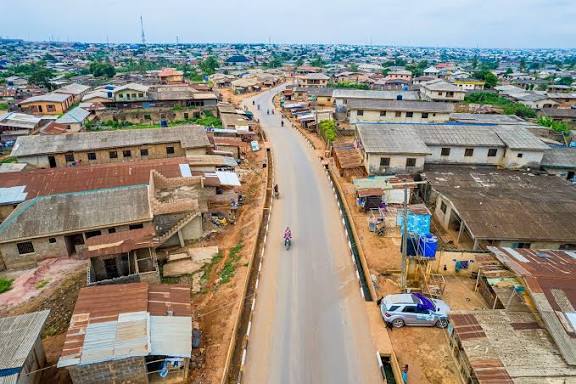
Ogijo, a sprawling settlement on the edge of Ogun and Lagos States, sits beneath a blanket of smoke that its residents now call a silent killer. What was once a bustling industrial zone has turned into a public health nightmare — a place where children cough through the night, adults battle unexplained fatigue, and families fear the air around them more than disease.
For years, the people of Ogijo have lived with symptoms they couldn’t explain — headaches, stomach pains, rashes, exhaustion. Only now are they learning the terrifying truth behind it.
Invisible Poison in the Air
Residents speak of waking up to verandas coated with black dust, cooking pots stained by soot, and clothes hanging outdoors that turn grimy by dusk. What they once assumed was ordinary pollution has been confirmed as a slow-acting poison.
A groundbreaking investigation — conducted by US investigative journalist Will Fitzgibbon in collaboration with health-focused media group The Examination and The New York Times — revealed alarmingly high concentrations of lead in residents’ blood.
The findings traced contamination to a cluster of used lead-acid battery recycling factories operating in the area. Ogijo, the investigation concluded, now has more lead-recycling industries than anywhere else in Africa.
The factories named include:Metal Manufacturing Nigeria Ltd., Everest Metal Nigeria Ltd., African Non-Ferrous Industry Ltd., Vendanta Metal Industries Ltd., Hanushi Manufacturing Ltd., BPL Ltd., GBMT, and BS Factory.
“My Children Are Poisoned Too”
For 42-year-old Ogunleye Akanmu, the shock came the moment his results were handed to him.
> “They told me my blood lead level was 21. I was shocked. Then they tested my son and said his level was already affecting his health. I don’t sleep again. My children are my life,” he told Sunday PUNCH.
Since losing his wife, he has cared for his children alone. Now he fears the environment may take them too.
Research That Sparked Panic
In June, medical teams drew blood samples from 70 residents while researchers placed nasal filters around homes to detect airborne lead. Soil samples were also collected from farms, schools, and playgrounds.
The results were horrifying — seven out of every ten residents had blood lead levels considered dangerous by the World Health Organisation. More than half of the children were already poisoned.
One child, Freeman, had 28.5 microgrammes per decilitre — five times the level considered toxic.
Soil readings showed extreme lead pollution. Volunteers who lived far from the factories had almost none, proving Ogijo’s contamination is deeply localised.
“We are Living Inside Poison”
For many residents, the results confirmed their worst fears.
> “Our environment looks like a war zone. Even our drinking water has black dust,” said 34-year-old resident, Salami Habeeb.
Another resident, Akinpelu Adekunle, described waking up to soot on beds and furniture:
> “This is not air. It is poison. We need help before people start dying.”
Workers Speak: “We Return Home Covered in Dust”
Factory workers say they are slowly dying but cannot leave.
> “They tested all of us. Each one of us has lead in our blood,” said factory employee, Matthew Okereke. “Sometimes during shifts, we vomit.”
Protective gear is practically nonexistent:
> “We tie cloth as face masks,” another worker said.
Tragedy and Tears from the Palace
The traditional ruler of Ogijo, Oba Kazeem Gbadamosi, described chilling events — including birth deformities and sudden deaths.
He recalled a week when five factory workers died unexpectedly, blaming lead exposure.
> “All we are asking for is clean air and water,” he said. “Are we asking for too much?”
Pollution With Global Footprints
Investigators traced recycled Nigerian lead to factories supplying major US auto brands including Tesla and General Motors. Associates of global commodities giant Trafigura and a U.S. lead manufacturer confirmed the Nigerian link.
This means Ogijo’s tragedy is not local — it is tied to the global automobile supply chain.
Medical Experts Explain the Danger
Health educator, Dr. Chinonso Egemba (Aproko Doctor), explained why lead is deadly:
> “Lead mimics calcium and enters the brain, affecting children’s development and causing seizures.”
The U.S. CDC warns that even low amounts damage the brain, reduce IQ, and cause behavioural problems. Pregnant women face dire risks — including miscarriage and permanent disability in newborns.
“Where Do We Go From Here?”
Doctors told residents to relocate — a near impossible instruction for families living hand-to-mouth.
Some were handed calcium tablets and asked to keep children away from factory zones. But residents insist temporary relief is not enough.
Residents’ Plea to the Government
The call is loud and desperate:
Urgent medical intervention
Environmental cleanup
Strict regulation of factories
Compensation and health monitoring
The community demands immediate action from Governor Dapo Abiodun and relevant federal agencies.
A Race Against Time
Ogijo is not just contaminated — it is poisoned. Children are growing up with toxic blood. Adults are battling illnesses they never understood. The smoke rises every day, and with each passing hour, the threat deepens.
The question is no longer whether Ogijo is in a crisis — but how many more must fall sick before decisive action is taken.