By Passman Akpos
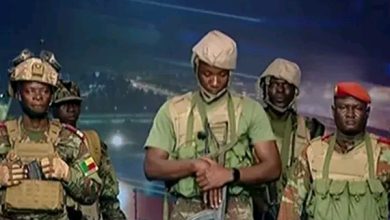
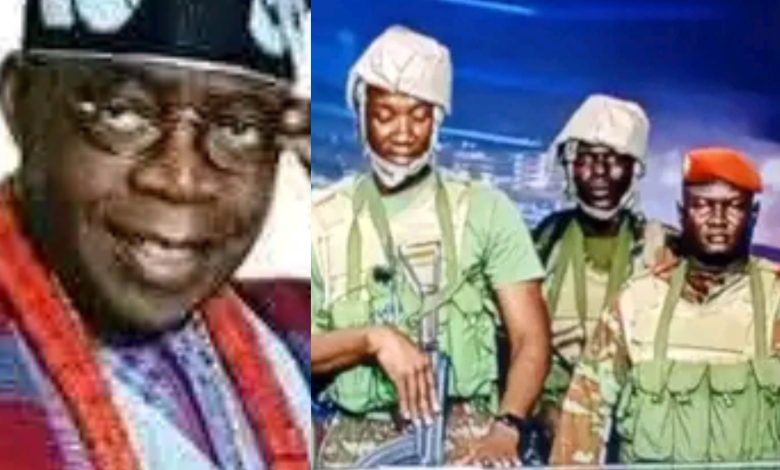
The early hours of Sunday, December 7, 2025, shook the Republic of Benin as soldiers loyal to Lt. Col. Pascal Tigri stormed the national broadcaster, dissolved elected institutions and shut down borders. But before the coup could take root, Nigeria moved with unprecedented speed.
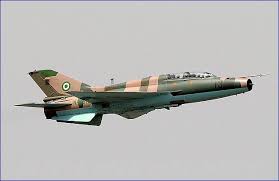
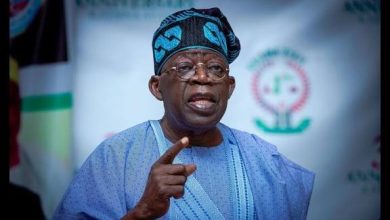
President Bola Ahmed Tinubu, exercising his powers as Commander-in-Chief, ordered the deployment of Nigerian Air Force surveillance assets, fighter jets and ground troops to counter the threat just across the western border. Within an hour, coordinated strikes reportedly dismantled convoys linked to the coup plotters. By dawn, Benin’s constitutional order had been restored.
The swift response has drawn wide commendation across the region, further cementing Nigeria’s role as a stabilising force in West Africa. For many observers, it was a textbook example of national capacity and decisive leadership.
Yet, the same intervention has reignited domestic debate over Nigeria’s long-running insecurity challenge. If Nigeria can project force beyond its borders on such short notice, critics ask, why has the same efficiency not crushed insurgency, banditry and terrorism at home?
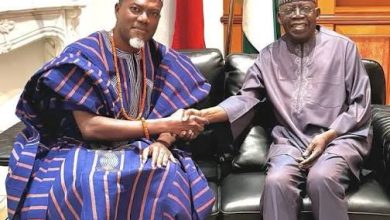
Barrister Solomon Dalung, reacting to the operation, praised the restoration of democracy in Benin but raised piercing questions:
Why were fighter jets able to locate targets in Cotonou faster than terrorists operating in Nigerian forests?
How could elite forces be coordinated with surgical precision abroad, while kidnappers and insurgents continue to torment rural communities at home?
Why was Brigadier General Musa Uba left vulnerable in the bush, only to be recaptured and killed by ISWAP, if the military has such rapid deployment capability?
The intervention, Dalung argues, is less a demonstration of newfound power than a revelation of what has always been possible—if and when the political will exists.
He further noted that under international security norms, a government that shows speed and strength abroad but hesitation at home risks reinforcing global narratives of “reluctance” to protect its own citizens. That sentiment, he warned, emboldens foreign figures—including former U.S. President Donald Trump—who argue that outside intervention might eventually become necessary to halt mass atrocities in Nigeria.
In spite of the controversy, the Benin mission remains a strategic win for President Tinubu and a boost to regional confidence. But for millions of Nigerians living under the shadow of violence, the applause carries a plea:
Let the urgency shown in Benin be replicated in Sambisa.
Let the boots that crossed the border march just as fearlessly in Chibok, Kachia, Mangu and Kontagora.
Let the aircraft that defended democracy abroad also defend innocent lives at home.
West Africa has seen proof of Nigeria’s might. Now, citizens are demanding proof of Nigeria’s resolve.